We love Krakow

O nas

About Prolog


PROLOG is a private language school which has been constantly developing since it was established in 1994. Since the very beginning the school has specialized in teaching Polish for foreigners, as well as English and German for the Poles. Despite the wide range of activities in which PROLOG is involved, the school has not lost its unique atmosphere, with its helpful approach to the students and attempts to address individual needs of the students.

PROLOG has also experience in realizing international projects with the help of EU funds, both as a partner and the project coordinator:
- Phare 2001(Language courses realized for SME's Small and Medium-sized Enterprises in July and August 2004)
- "Lost in ..." (developing language skills with the use of electronic tools)
- Project HURRA!!! PROLOG coordinated the work of 4 institutions (The Summer School of Polish Language and Culture of the Jagiellonian University; the University of Vienna -Linguistics Department; BRASSHOUSE, Language Teaching Centre in the Great Britain).
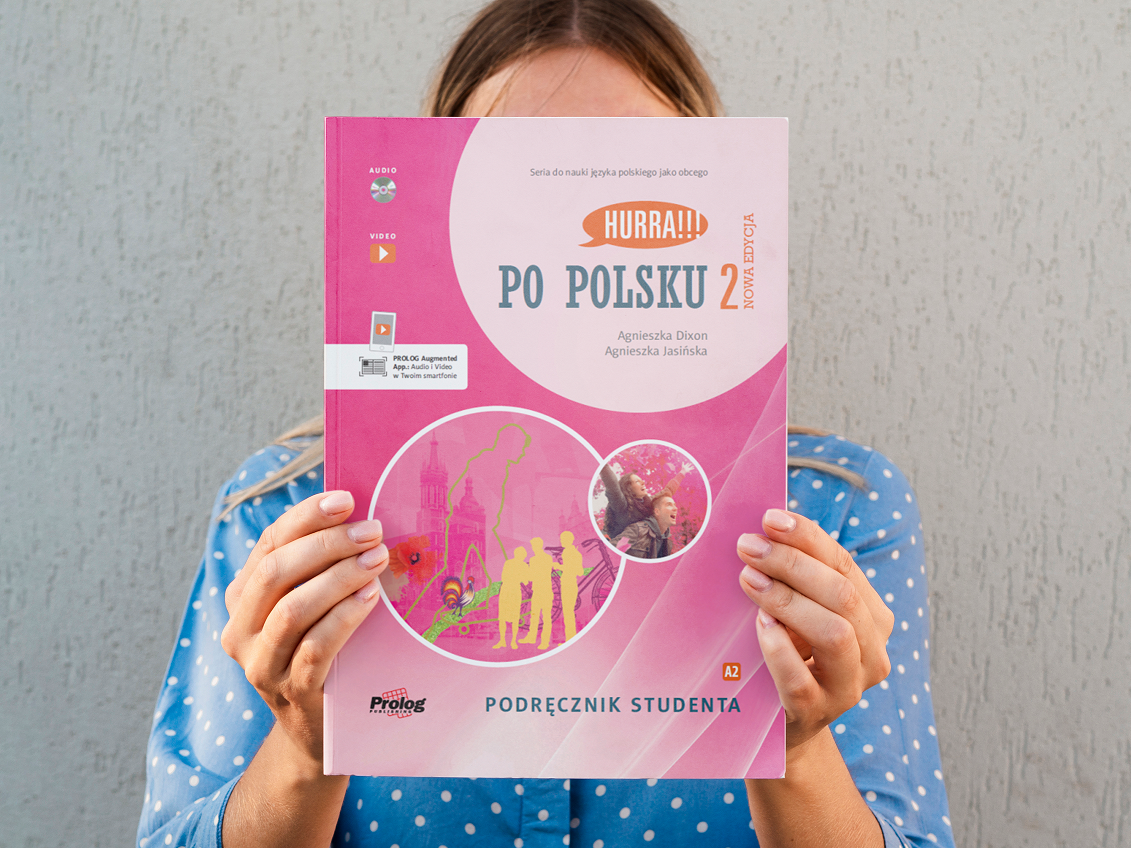
Developing the series of Polish teaching and learning materials "HURRA" which encompasses 19 titles is already available on the market. Contact us for details: hurra@prolog.edu.pl

The fact that our participants come back to continue their education at subsequent language sessions is the best proof of the quality of our courses. The questionnaires carried out among the participants of our courses show that in more than 50% of cases, the school was recommended to them by their friends.

HOW TO REACH US

Kraków has its own international airport. It is also easy to reach by inter-city trains from Warsaw. The trip takes less then 3 hours. Kraków also has direct train and coach connections with Berlin, Budapest, London, Frankfurt, Prague, Bratislava, Kiev, Vienna.
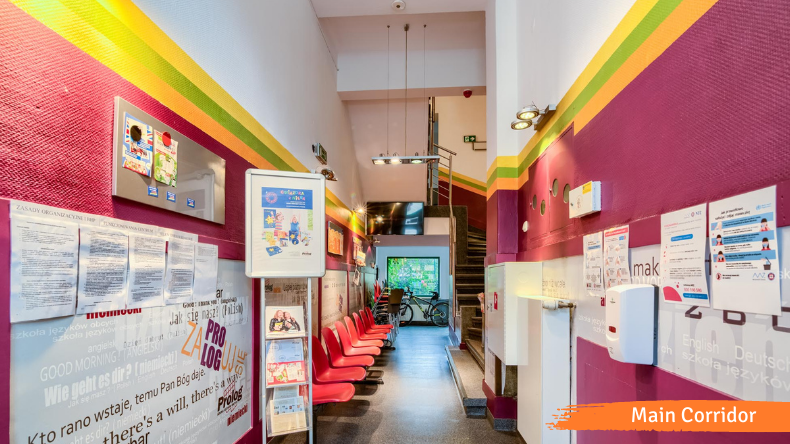
The school is conveniently located and allows students quick access to the city centre by tram (4 tram stops to the historic city centre, about 7-10 minutes). Within walking distance of the school there are: bistro bars, fast food bars, where students can eat lunch; students can also order home-delivered meals (a selection of contacts for catering companies is available at the school).

Czytaj też:


Teaching Methods

Levels of proficiency

15 reasons to choose PROLOG

Our staff

Terms and conditions

Teaching Methods


OUR AIMS AND TEACHING METHODS

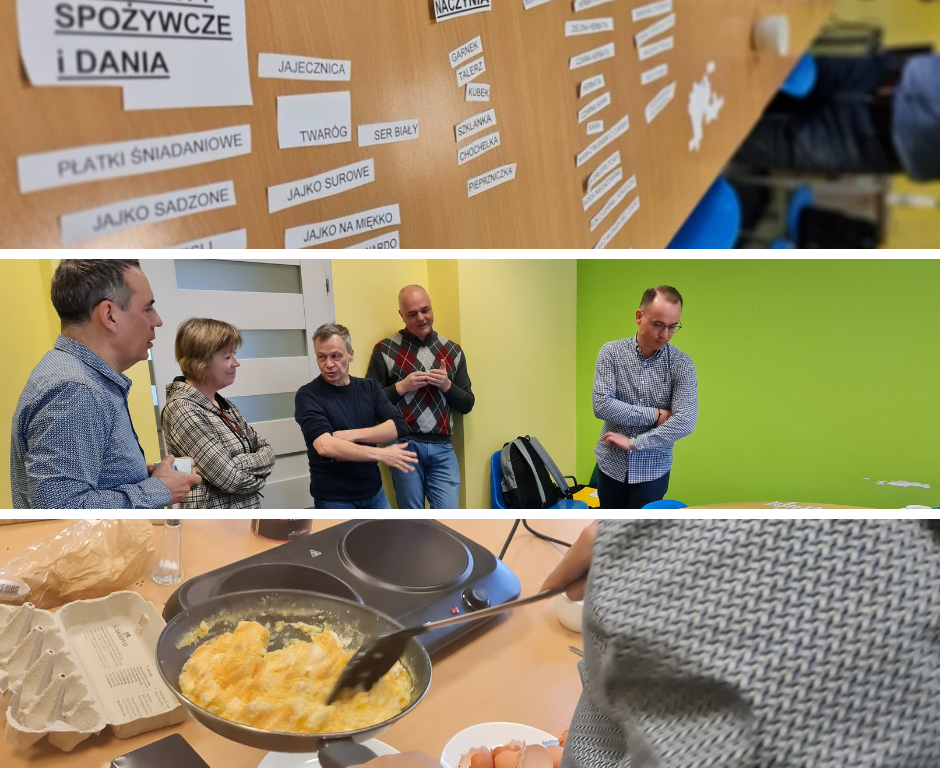
We realize that learning Polish has its difficulties. We do our best to make it easier and more enjoyable. Our program encompasses a gradual upgrading of language skills. Starting from the most needed basic communicative situations you will then gradually begin to master the language.

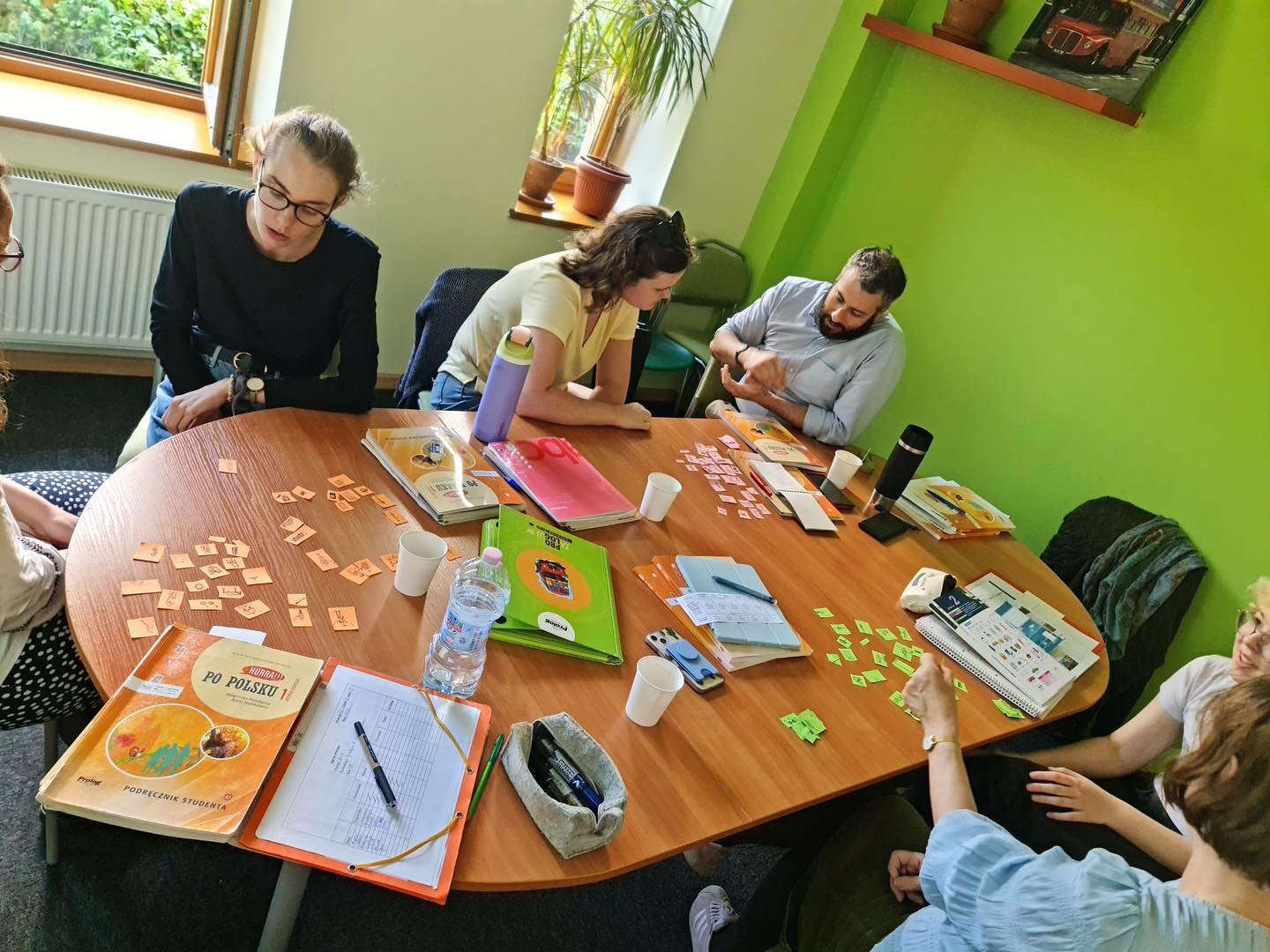
Classes are held in a communicative approach: our program focuses on oral communication and listening comprehension, along with developing reading and writing skills in a foreign language.

Maximal emphasis is put on active involvement of the participants in the teaching-learning process through various modes of instruction (task oriented projects inside and outside the classroom; case studies, learning based on participants' knowledge, experience and individual potential; motivating through use of authentic materials - newspapers, magazines, prints and forms; to provide for the specific needs of participants (telephone communication)- emphasis will be put on listening comprehension (the use of audiovisual teaching materials). The communicative approach allows students to communicate in Polish at an early stage of the language learning.

The role of the teacher is that of a person who stimulates, coordinates and monitors the learning process.

Student-centered approach. Responding to students' needs and expectations.

Tests: The participants take the written test (mid-course test) and a final test (written and oral); Students need to score minimum 60% of total points to pass the test. The test results will allow to evaluate the course effectiveness and those language components, which the student needs to improve individually or during the courses (less intensive, in the work place or place of living).

Opinions (optional upon request): Following the completion of a week's course the participant receives a detailed progress report (in German or English) in which the teacher evaluates all language skills. Apart from providing the information about the progress made by the participant, it is aimed at providing additional learning motivation.

OUR TEACHERS

At PROLOG we believe that even the best teaching methods and programs need to be supported with fully qualified and experienced teachers; our teachers combine both. Classes are held in a communicative method which means that Polish is used almost exclusively. However, all our teachers speak at least one foreign language to aid learning.They are mostly graduates of different philological studies (German, English and Roman) who have also been specifically trained to teach Polish as a foreign language and graduates of Polish studies. The method of teaching Polish language which is used at our school is based on using mostly Polish language for classroom instruction. However, the knowledge of either English, French or German facilitates the learning process (it enables the teacher to explain more difficult grammar points in the language which the student understands better).
The average age of teachers is about 30-35 years old.
Among our teachers we have also the authors of HURRA- very popular series of textbooks for learning Polish as a foreign language."HURRA" was published by PROLOG with a support of EU Socrates/ Lingual programme. To learn more about the series go to www.hurra.edu.pl

TEACHING MATERIALS

Teachers at the school have at their disposal a wide range of methodological materials and teaching methods which have been developed by PROLOG for the last 15 years of teaching Polish. Since 2005 the HURRA!!! series course books and workbooks with CD are used during the classes. The series has been developed by PROLOG within the HURRA!!! Project co-financed with EU resources. To find more about the series go to www.hurra.edu.pl

Czytaj też:


About Prolog

Levels of proficiency

15 reasons to choose PROLOG

Our staff

Terms and conditions

Levels of proficiency


We guarantee:

• student placements after a test and interview,
• an accurate placement of students based on their English language background,
• 16 distinct levels,
• groups of 5-10 students,
• modern techniques including suggestive methods and NLP, that facilitate quick and effective learning,
• mid- term and end- of- term testing,
• progress reports,
• an end- of- course certificate.

Czytaj też:


About Prolog

Teaching Methods

15 reasons to choose PROLOG

Our staff

Terms and conditions

15 reasons to choose PROLOG


Choose us because:

1. PROLOG makes for a good start
2. the whole world learns Polish from our books
3. we perform amazing feats in an instant. Miracles take just a little longer.
4. it is always summertime in our hearts
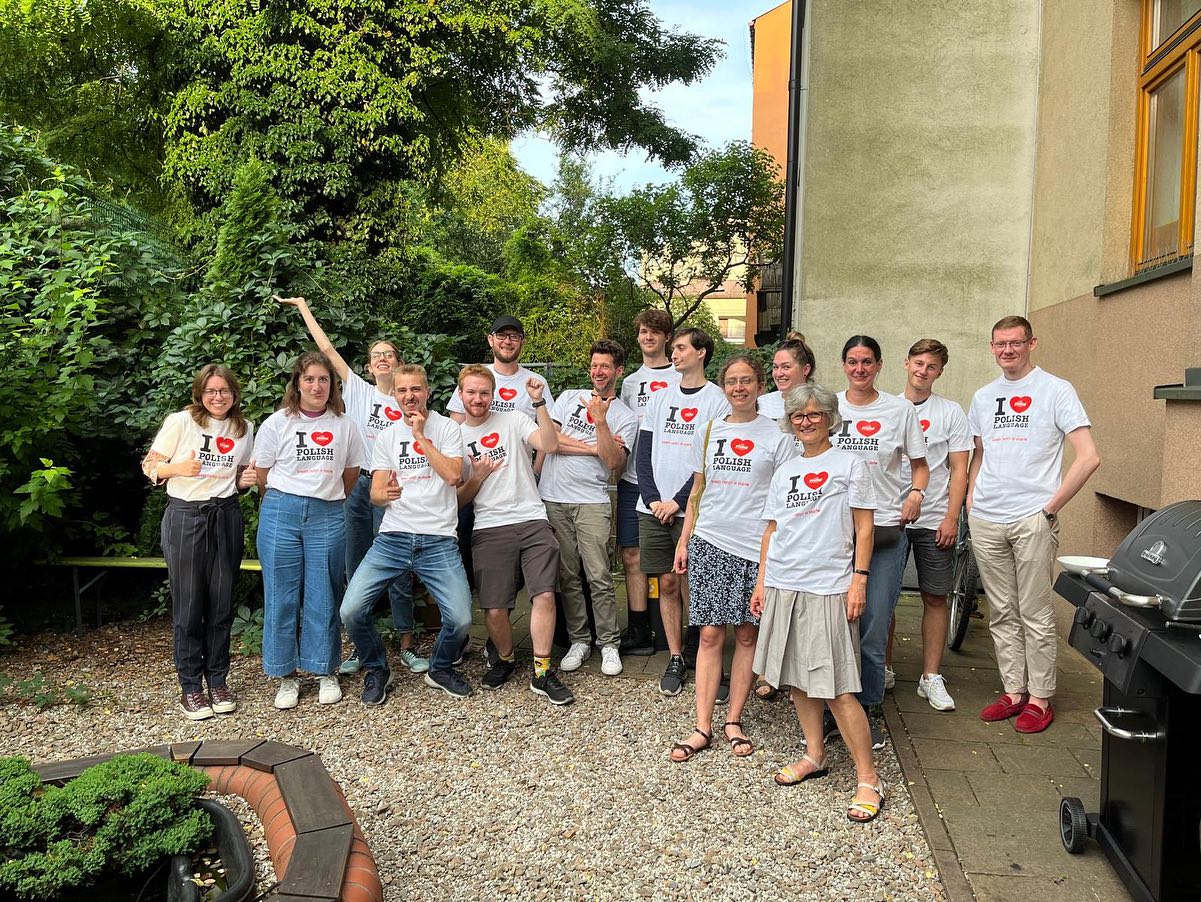
5. a stray cat often visits us in the garden
6. it is common knowledge that strays only ever visit places worth going to
7. all roads lead to PROLOG (this was, of course, the original saying)
8. Just because!
9. everything starts with a PROLOGue
10. we savour a good challenge
11. that’s why we teach one of the most difficult languages in the world
12. despite global warming, we still have the full complement of seasons in our garden
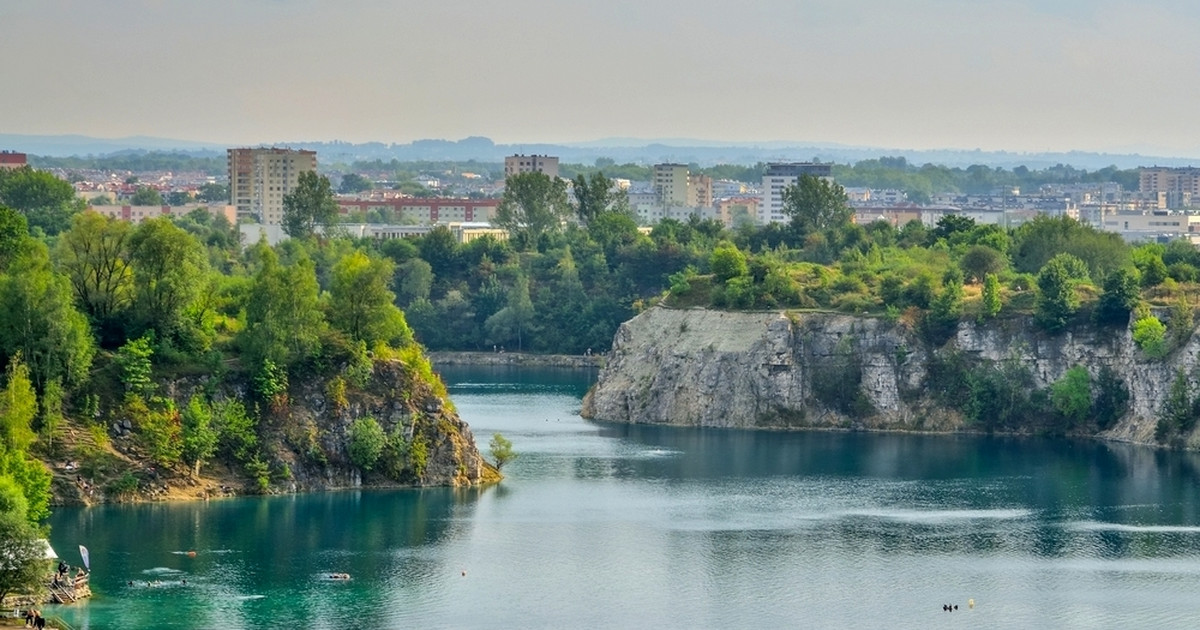
13. Cracow is a magical city
14. We are magical too!
15. The last 15 years speak for us!

Czytaj też:


About Prolog

Teaching Methods

Levels of proficiency

Our staff

Terms and conditions


Grupy: wielkość grup i ilość godzin

1. Zajęcia odbywają się w grupach liczących 5-10 osób.

2. Godzina lekcyjna w naszej szkole trwa 45 minut.

3. Kursy dla dzieci i młodzieży obejmują:
- 56 godz. lekc. na kursach semestralnych dla młodzieży szkolnej
(dot. języka angielskiego i niemieckiego)
- 15 godz. lekc. na kursach konwersacyjnych dla dzieci i młodzieży
(dot. języka angielskiego)
- 14 godz. lekc. na kursach dla dzieci 6 – 7 lat (dot. języka niemieckiego)
- 14 godz. zeg. na kursach dla dzieci 8 – 10 lat (dot. języka niemieckiego)


4. Kursy dla dorosłych obejmują:
- 56 godz. lekc. na kursach semestralnych
- 28 godz. lekc. na kursach konwersacyjnych i warsztatach
- 28 godz. lekc. moduły Język w Pracy
- 15 godz. lekc. moduły wakacyjne


5. W przypadku jeśli na dany kurs zgłosi się zbyt mała liczba kursantów, proponowane są indywidualne rozwiązania:
- dołączenie do innych grup na tym samym poziomie
- w grupach 4-osobowych liczba godzin wynosi odpowiednio:
• 50 godz. lekc. na kursach semestralnych
• 24 godz. lekc. na kursach modułowych
• 10 godz. lekc. na kursach wakacyjnych
- w grupach 2-3 osobowych stosowany jest cennik indywidualny.

6. Szkoła zastrzega sobie prawo do zwiększenia liczebności grupy, jeśli któryś ze studentów Szkoły musi w trakcie trwania semestru lub przy zmianie semestrów zmienić termin odbywania zajęć.


Nauczyciele

1. Zajęcia w grupach prowadzone są przez polskich lektorów i nauczycieli native speakers, posiadających stosowne kwalifikacje do nauczania danego języka. Kierownictwo szkoły zastrzega sobie prawo do zmiany nauczycieli prowadzących (nauczyciela prowadzącego) daną grupę w czasie trwania semestru jedynie z ważnym powodów.

2. Szkoła zobowiązuje się zapewnić zastępstwo na wypadek nieobecności lektora. Jeśli będzie to niemożliwe z powodów organizacyjnych, zajęcia zostaną odwołane i odrobione
w terminie uzgodnionym z uczestnikami kursu.

3. Nauczyciele monitorują postępy studentów i raz w semestrze przygotowują Ocenę Postępów przekazywaną studentom (lub rodzicom dzieci i młodzieży).


Studenci

1. Zapis do grupy językowej odbywa się na podstawie wyniku testu kwalifikacyjnego i rozmowy (z wyłączeniem osób zupełnie początkujących).

2. Każdy student powinien posiadać komplet materiałów przewidzianych dla danego kursu. Podręcznik kursowy i zeszyt ćwiczeń można kupić w biurze szkoły korzystając ze specjalnej zniżki lub wypożyczyć podręcznik kursowy na czas trwania kursu za kaucją zwrotną.

3. Każdy student zobowiązany jest do zaliczenia Testu połówkowego i Testu końcowego na minimum 60%.

4. Przechodzenie na kolejny poziom kursu odbywa się po uzyskaniu pozytywnej rekomendacji nauczycieli prowadzących (nauczyciela prowadzącego) dany kurs.


Płatności

1. Opłatę za kurs należy wnieść przed rozpoczęciem zajęć.

2. Opłatę za kurs można wnieść jednorazowo w całości lub w dwóch ratach. Wpłata ratalna oznacza zwiększenie ceny (patrz cennik). W przypadku kursów krótkich: modułowych i wakacyjnych, płatności nie dzielimy na raty.

3. Płatność można przelać na nasze konto:

Nr konta:
Multibank SA (BRE Bank) 71 1140 2017 0000 4202 0567 3969

jak również dokonać jej kartą płatniczą lub gotówką w biurze szkoły.

4. Przy płatności ratalnej, I rata płatna jest przy zapisie, przed rozpoczęciem kursu, II rata płatna jest do 15 listopada (semestr zimowy) lub do 5 kwietnia (semestr letni).
Dla kursów maturalnych odpowiednio: I rata przy zapisie, II rata do 15 listopada, III rata do 15 stycznia.


5. Każdy student korzysta z systemu zniżek:
8% - zniżka w 2. i 3. semestrze nauki*
15% - zniżka w 4. i 5. semestrze nauki*
20% - zniżka od 6. semestru nauki*
8% - zniżka rodzinna

*dotyczy kursów obejmujących 56 godz. lekc. zajęć
w przypadku kursów 28-mio godzinnych zniżka przysługuje po ukończeniu z nami 2 takich modułów
w przypadku kursów 15-to godzinnych zniżka przysługuje po ukończeniu z nami 4 takich modułów

6.Zniżka obowiązuje również przy zmianie języka.

7.Zniżki nie sumują się.

8.Nie jest konieczne zachowanie ciągłości kolejnych semestrów dla otrzymania zniżki. Ilość semestrów kumuluje się i jest „przypisana” do studenta bezterminowo.

9.Dokonanie wpłaty i otrzymanie pisemnego jej potwierdzenia oznacza akceptację
Zasad organizowania i uczestniczenia w kursach języka angielskiego i niemieckiego
w naszej szkole.


Zwrot opłat

1. Jeśli student rezygnuje z kursu, przysługuje mu w ciągu 2 pierwszych tygodni trwania kursu prawo do zwrotu wpłaconej kwoty pomniejszonej o 100 zł, co stanowi koszty administra- cyjne szkoły. Jeśli w tym czasie student brał udział w zajęciach, wpłacona kwota zostaje pomniejszona o 100 zł (koszty administracyjne szkoły) i opłatę za odbyte zajęcia.

2. Od 3. tygodnia trwania zajęć nie przysługuje zwrot opłat.

3. Rezygnację z kursu należy zgłosić w biurze szkoły.


Bezpieczeństwo

1. Szkoła ponosi odpowiedzialność za bezpieczeństwo dzieci jedynie w czasie trwania kursu. Prosimy o zapewnienie należytej opieki dzieciom przed zajęciami i po ich zakończeniu.

2. Prosimy o zwrócenie szczególnej uwagi na rzeczy osobiste i nie pozostawianie ich bez nadzoru. Szkoła nie ponosi odpowiedzialności za rzeczy pozostawione na terenie Szkoły. Rzeczy znalezione są do odbioru w biurze Szkoły.


Kwestie sporne

1. Uwagi i sugestie dotyczące prowadzonych przez nas kursów prosimy zgłaszać Pracownikom biura lub Dyrekcji szkoły. Prosimy o rzetelne wypełnianie anonimowych Ankiet Semestralnych.

Czytaj też:


About Prolog

Teaching Methods

Levels of proficiency

15 reasons to choose PROLOG

Our staff

Terms and conditions